
Hong Kong Mahjong history
Mahjong is older than modern Hong Kong, but Hong Kong is one of the reasons Mahjong stayed vibrant. This page focuses on the Hong Kong context: home tables, neighborhood clubs, diaspora gatherings, and the “fast, practical” style most people mean when they sayHong Kong Mahjong.
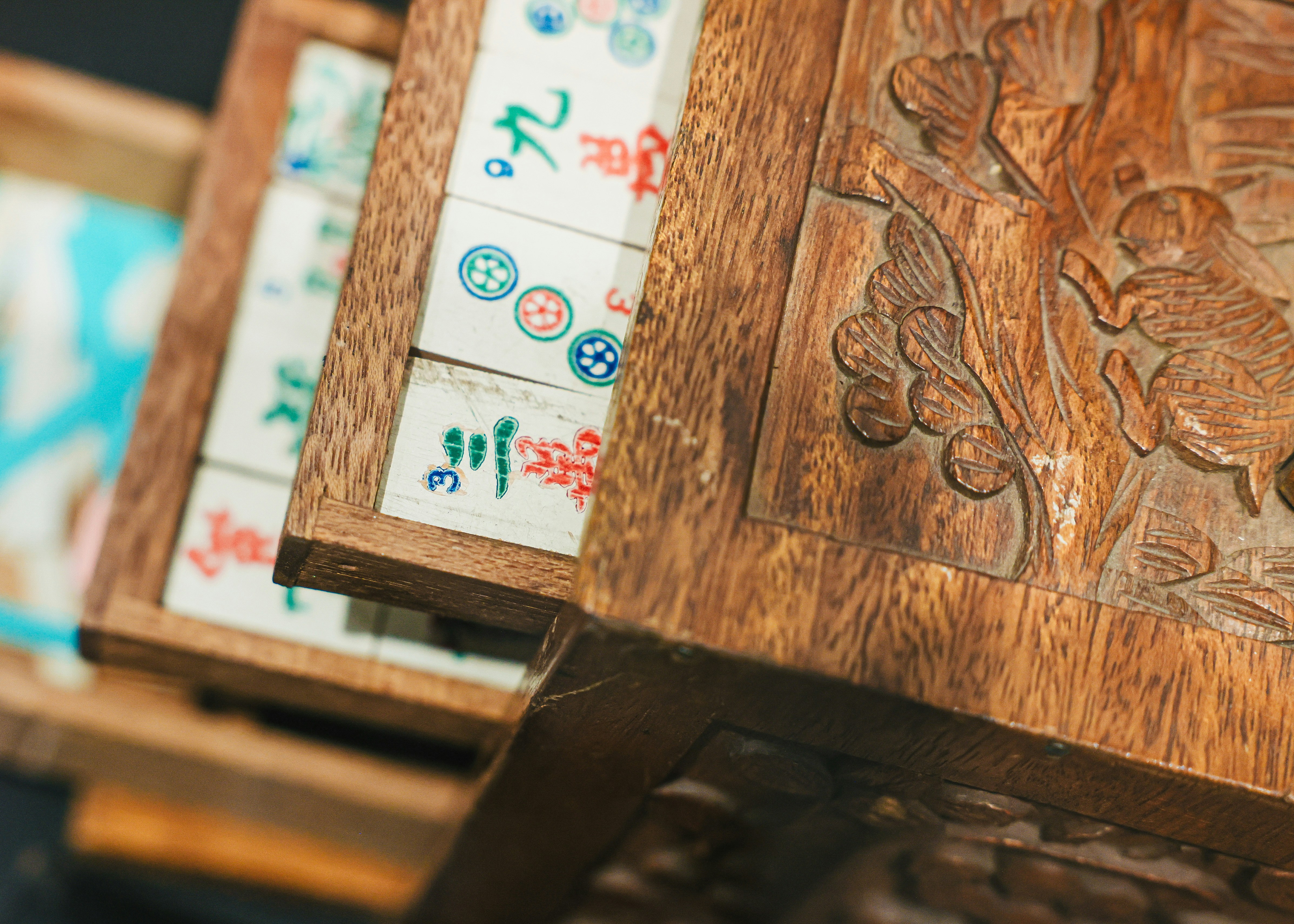
From Chinese tile game to Hong Kong household ritual
Mahjong evolved from earlier Chinese games and became a standardized tile game over time. In Hong Kong, it shifted from “a game you play sometimes” into a repeatable social ritual: family Sundays, holiday tables, and late-night neighborhood sessions. The Hong Kong context also influenced how rules are taught: simple hand structure, quick decisions, and easy-to-understand fan-based scoring.
Why people say “Hong Kong Mahjong”
Hong Kong Mahjong is often used as shorthand for a Cantonese ruleset that prioritizes speed and clarity. You’ll typically hear emphasis on: 4 melds + 1 pair, clear calls (chow/pung/kong), and a minimum fan requirement before a hand can win. That minimum makes the game feel more skill-driven because “any random hand” usually isn’t enough.
Hong Kongers overseas and the “portable” table
For diaspora communities, Mahjong is a portable way to recreate home: language, humor, table etiquette, and a shared memory of how a round feels. Online play matters because it removes the hardest problem: gathering four humans at the same time.